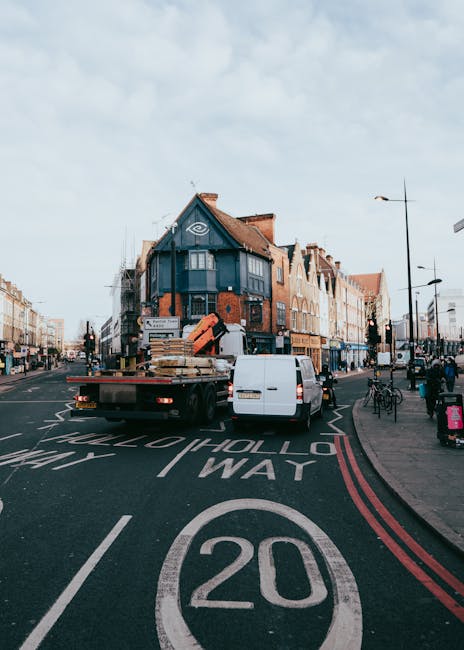
Moving offices on Streatham High Road: licence checklist
Moving an office sounds straightforward until the small details start stacking up. Parking bays, loading times, access routes, building rules, landlord notices, waste handling, and whether you need any kind of licence can all turn a simple relocation into a half-day of phone calls. If you are moving offices on Streatham High Road: licence checklist is the practical bit people often overlook, and it can save you from delays that are annoying at best and expensive at worst.
This guide is written for real-world office moves in and around Streatham High Road, where traffic can be busy, kerbside space is limited, and one missed permission can throw off the whole schedule. You will find a clear checklist, a step-by-step plan, common mistakes to avoid, and plain-English guidance on what to confirm before moving day. Nothing fluffy. Just the stuff that matters when you need the move to happen cleanly.
For businesses planning a broader relocation, it can also help to look at related support such as commercial moves and office relocation services if you want the process handled with less stress.
Table of Contents
- Why this licence checklist matters
- How the checklist works in practice
- Key benefits and practical advantages
- Who this is for and when it makes sense
- Step-by-step guidance
- Expert tips for better results
- Common mistakes to avoid
- Tools, resources and recommendations
- Law, compliance, standards, or best practice
- Options, methods, or comparison table
- Case study or real-world example
- Practical checklist
- Conclusion
- Frequently asked questions
Why Moving offices on Streatham High Road: licence checklist Matters
Streatham High Road is not the sort of place where you can assume everything will just fit into place. On a good day, the road is active, busy, and full of movement; on a bad day, it can be stop-start and awkward for any vehicle larger than a car. That is why a licence checklist matters so much. It helps you confirm the permissions and practical arrangements before the first box is loaded.
In simple terms, the checklist is there to answer questions like: Can the removal truck stop where it needs to stop? Do you need permission for temporary loading or parking? Will the building manager allow lift access at your chosen time? If the answer to any of those is unclear, you are taking a risk. And let's face it, office moves already have enough moving parts without adding avoidable ones.
A well-prepared checklist also protects your team. Staff are less likely to be standing around in the rain, waiting for a vehicle that cannot park, or carrying monitors across a busy pavement because the loading point was not confirmed. It sounds small, but those small things are usually what derail a move.
For many businesses, the move also overlaps with packing, vehicle hire, and disposal of old furniture. That is where services like packing and unpacking services and furniture pick-up can make the whole process less chaotic.
How Moving offices on Streatham High Road: licence checklist Works
The checklist is basically a planning tool, but a good one. It is not just a to-do list. It is a way of checking three layers of the move:
- Property permissions - what your landlord, managing agent, or building rules require
- Street-level permissions - whether loading, parking, or access arrangements need approval
- Operational readiness - whether the move crew, vehicles, equipment, and staff plan actually fit the location
On Streatham High Road, the street-level side tends to matter most. If a lorry, van, or even a smaller removal vehicle needs to pause close to the building, the exact stopping point can become important. That is where the right vehicle choice matters too. A smaller option such as a man and van setup or man with van service can be useful for lighter moves, while larger offices may need a moving truck or removal truck hire.
You do not need to memorise legal jargon to use the checklist properly. You just need to confirm who controls what, what needs permission, and what happens if permission is delayed. That is the real trick.
A quick example of how it usually unfolds
Imagine you are moving a 12-person office from one side of Streatham High Road to the other. The destination building has a narrow entrance, the lift is booked in hourly slots, and the pavement outside is busy from early morning. Without a checklist, the team might book a vehicle too large for the access point or forget to confirm where the truck can pause. With a checklist, you can line up access, parking, and timings before anyone starts dismantling desks. Much calmer. Much cheaper, usually.
Key Benefits and Practical Advantages
The main benefit is simple: fewer surprises. But there is more to it than that.
- Lower risk of delays - if access and permissions are checked early, the move schedule is far more reliable
- Less staff disruption - people are not left waiting for missing information or blocked entry
- Better vehicle planning - the right truck or van can be chosen for the actual site conditions
- Cleaner compliance - you are less likely to accidentally breach building rules or local restrictions
- Safer handling - a clear plan reduces rushed lifting, awkward carrying, and unnecessary traffic exposure
There is also a hidden benefit that is easy to overlook: confidence. When staff know the move has been thought through properly, they tend to work better on the day. That matters. Office moves can make people twitchy, and fair enough too. Nobody enjoys operating a laptop from a cardboard box.
If the move involves a lot of disassembly or a mixed load of furniture and equipment, you may also want to compare vehicle and handling options such as commercial moves and moving truck support, depending on scale.
Who This Is For and When It Makes Sense
This checklist is for any business moving office space on or near Streatham High Road, whether that is a small consultancy, a studio, a clinic, a local service business, or a growing team moving into a larger unit. It is especially useful if the move involves:
- kerbside loading or unloading
- a timed vehicle arrival
- shared access with other tenants
- restricted lift or stair access
- large furniture or archive boxes
- staff moving personal equipment and electronics
It also makes sense if you are coordinating the move yourself and do not have a facilities manager or operations lead to handle the details. In practice, the checklist helps whoever is holding the clipboard, or the laptop, or both. That person usually ends up being the hero and the exhausted one.
If you are a smaller business with a light load, a more flexible service model may suit you better. If you are relocating a bigger office with multiple desks, printers, and storage units, you will probably benefit from a fuller relocation plan. Either way, the checklist keeps everyone honest.
Step-by-Step Guidance
Here is a practical way to work through the move. No drama, just sequence.
- Confirm the move date and time window
Check building access hours, lift availability, and any restricted periods. Some buildings are far more strict than people expect. - Identify who controls permissions
This may be a landlord, managing agent, building concierge, or local authority depending on the issue. Know the contact before you need them. - Check loading and stopping arrangements
Find out where the vehicle can stop, how long it can remain there, and whether any licence or permission is needed for the slot. - Match the vehicle to the site
Do not book a large truck if the access is tight and the load is modest. Sometimes a smaller vehicle is simply the smarter choice. - Map the route from vehicle to office
Think about steps, door widths, lift size, corridor corners, and any obstacles that could slow things down. - List fragile, bulky, or high-value items
IT equipment, monitors, signage, and special furniture may need different handling. - Separate disposal items from moving items
Old desks, broken chairs, and unwanted storage should be dealt with separately so they do not clog the new office. - Prepare staff instructions
Tell people what to pack, when to stop using shared devices, and where to report on move day. - Do a final licence and access check 48 to 72 hours before moving
This is the point where small last-minute changes usually appear. Better to catch them early. - Assign a move-day contact
One person should be available to make decisions quickly. Otherwise, small problems start multiplying.
If you want a more hands-off route, a specialist team can help coordinate the move itself. That is often the practical choice when the office is still open for business and nobody has spare time. Not exactly a rare situation.
Expert Tips for Better Results
After plenty of office move planning, a few patterns show up again and again. These are the useful ones.
- Book with buffer time - even 20 to 30 minutes of slack can make a big difference if the road is busier than expected
- Measure access points properly - not roughly, properly; doors, lifts, and stairwells need real measurements
- Do a walk-through at the exact time of day you plan to move - morning traffic and lunchtime traffic feel very different
- Use colour labels for departments or rooms - it sounds basic, but it saves a lot of confusion on arrival
- Keep one essentials box - chargers, tape, labels, keys, tea bags, a pen, and the one adapter nobody can ever find
One small but important tip: if your office sits close to a busy shopfront or shared entrance, think about public footfall as much as vehicle access. People are walking, pausing, opening doors, ducking into cafes. The move should fit around that reality, not fight it.
And yes, someone will say, "We can just do it on the day." Usually the same person who has never had to get a sofa round a tight corner.
Common Mistakes to Avoid
Most office move problems are not dramatic. They are ordinary mistakes made early and discovered too late.
- Assuming parking will be fine - it often is not, especially on a busy high road
- Leaving permissions until the final week - this creates avoidable pressure and may limit your options
- Booking the wrong vehicle size - too large brings access issues; too small creates extra trips
- Forgetting to check lift bookings - shared buildings often have strict scheduling
- Mixing disposal and relocation loads - this makes unloading slower and messier
- Not telling staff what to do with personal items - laptops, phones, chargers, and files need clear instructions
- Ignoring building rules - floor protection, noise limits, or loading restrictions can all matter
Truth be told, the biggest issue is usually not the paperwork itself. It is the assumption that someone else has already handled it. That assumption causes more headaches than almost anything else.
Tools, Resources and Recommendations
You do not need a massive toolkit, but a few practical items help a lot.
- Move planner sheet - a simple spreadsheet or printed schedule with contact names, times, and vehicle details
- Labels and markers - clear room labels beat vague handwriting every time
- Tape measure - useful for checking desks, appliances, and awkward entrances
- Floor plan - even a rough plan helps the unloading team place items correctly
- Box inventory - a list of what is in each box helps with accountability
- Redundant cable kit - because one missing cable can slow down the first afternoon in the new office
On the service side, it can help to combine the move with packing and unpacking services if your team is short on time, or to use removal truck hire when you need dedicated transport for a fuller relocation.
If you are still deciding how much help you need, start with the size of the load, the access constraints, and the amount of time your team can spare. That gives you a sensible direction before you start comparing quotes.
Law, Compliance, Standards, or Best Practice
For office moves, compliance is less about one single rule and more about making sure all the moving parts line up with normal UK expectations. Depending on the location and building, you may need to consider:
- building management conditions
- landlord or lease obligations
- temporary parking or loading permissions
- health and safety responsibilities for staff and contractors
- manual handling best practice
- safe disposal of unwanted furniture and equipment
It is wise to avoid guessing. If you are unsure whether a licence is needed, confirm the matter with the relevant building manager or permission holder before the move date. The same applies to loading arrangements. A quick check upfront is better than a scramble on the pavement when everyone is already there.
In practical terms, best practice usually means this: keep records, confirm timings in writing where possible, make sure contractors understand the site conditions, and do not overload the schedule. It sounds almost too simple, but that simplicity is what keeps moves under control.
If your relocation involves clients visiting the site, a reception area, or sensitive equipment, plan extra protection. Floor coverings, careful stacking, and clear routes matter. One knocked monitor is bad enough. Three? Now you are having a very different day.
Options, Methods, or Comparison Table
The right move method depends on the size of the office, the complexity of access, and how much support you want on the day. Here is a simple comparison.
| Option | Best for | Advantages | Watch-outs |
|---|---|---|---|
| Man and van | Small offices, light loads, quick local moves | Flexible, often efficient for short-distance jobs | May not suit larger furniture or multiple trips |
| Moving truck | Medium to larger office loads | More space, better for consolidated transport | Needs more careful access planning on busy roads |
| Commercial moves service | Businesses needing structured relocation support | Better coordination, clearer planning, less admin | May be more involved to organise, but usually worth it |
| Packing and unpacking support | Teams short on time or needing careful handling | Saves internal labour, improves consistency | Requires good labelling and a clear inventory |
There is no single "best" method. There is only the method that fits your office, your timescale, and the road outside. On Streatham High Road, that last part matters more than people expect.
Case Study or Real-World Example
A small professional services firm relocating near Streatham High Road had a fairly typical problem: the office itself was not huge, but the access was awkward. They had filing cabinets, a few heavy desks, several monitors, and a narrow entrance shared with other tenants. The first instinct was to book a large vehicle and hope for the best. Pretty common.
Instead, they worked through a licence checklist first. They confirmed the building access time, checked loading constraints, split items into "move", "dispose", and "return to staff" categories, and chose a vehicle that fit the site rather than the other way around. They also arranged for unwanted old furniture to be taken away separately, which stopped the new office from becoming a storage room on day one.
The result was not glamorous, but it was calm. The team arrived, the vehicle stopped where it was supposed to stop, the boxes went in the right order, and the move finished without that awful feeling of people standing around asking who has the key. That kind of result is exactly why the checklist exists. Quiet success is still success.
Practical Checklist
Use this as your working checklist before moving offices on Streatham High Road. If you can tick these off early, you are in good shape.
- Confirm the moving date and time window
- Check who controls building access and loading permissions
- Ask whether any licence or parking arrangement is needed
- Measure entrances, lifts, stairwells, and corridors
- Choose the right vehicle size for the load and access route
- Book your move support early if you are using a contractor
- Separate items to keep, move, store, or dispose of
- Label boxes clearly by department, room, or priority
- Prepare staff with clear instructions and pack deadlines
- Keep one person responsible for day-of decisions
- Protect floors, walls, and fragile items where needed
- Check the plan again 48 to 72 hours before moving
Expert summary: The smoothest office moves are not the ones with the fanciest equipment. They are the ones where access, permissions, vehicle choice, and team instructions all line up before the first box moves. Simple, really. Not easy, but simple.
Conclusion
A good licence checklist does more than keep you organised. It helps you protect time, reduce disruption, and avoid the common traps that make office moves harder than they need to be. On Streatham High Road, where access can be tight and traffic can be unforgiving, that preparation really pays off.
If you take one thing from this guide, let it be this: check permissions early, match the vehicle to the site, and keep the move plan realistic. That is the difference between a frantic day and a controlled one. And controlled is what you want, every time.
If you need extra support with the practical side of the move, it may help to explore office relocation services, commercial moves, or even man and van options if your office relocation is smaller and more local.
Get a free quote today and see how much you can save.
Move carefully, plan early, and give yourself one calm day instead of three stressful ones. That part matters more than people admit.
Frequently Asked Questions
Do I need a licence to move offices on Streatham High Road?
It depends on the exact loading, parking, and access arrangements. In many office moves, the key issue is whether the vehicle needs permission to stop, load, or park in a specific spot. Confirm the details with whoever controls the building or roadside access before moving day.
What is the first thing I should check before an office move?
Check the move date, the access window, and who is responsible for permissions. Those three things shape everything else, from vehicle choice to staff timing.
How far in advance should I plan the move?
As early as you reasonably can. Even a simple local office move benefits from lead time because access questions, vehicle booking, and internal packing all take longer than people expect.
Is a man and van service enough for an office move?
For a small office or a light relocation, it may be. For larger loads, heavy furniture, or multiple floors, you may need something bigger or a more structured service.
What is the difference between a moving truck and a removal truck?
In practical terms, both refer to vehicles used to move goods, but the exact setup may differ by provider. The main thing is to choose the vehicle that fits the volume, access point, and timing of your move.
What should be included in an office move checklist?
Permissions, access times, vehicle choice, box labelling, furniture handling, IT equipment protection, staff instructions, and a final confirmation check are all worth including.
Can I leave old office furniture behind?
Not usually without checking first. If items are not going to the new site, arrange for disposal or collection separately so they do not create confusion on the day.
How do I keep staff productive during the move?
Give them clear packing instructions, set a cut-off for essential items, and make sure one person is available to answer questions quickly. A calm handover helps more than a long email thread ever will.
What are the biggest risks with office moves on busy roads?
Delays, poor parking access, missed permissions, and unsafe loading are the main ones. Busy roads leave less room for error, so planning matters more.
Should I use packing and unpacking services for a small office?
If time is tight, yes, they can be very useful even for smaller offices. It can be the difference between settling in quickly and spending the first two days surrounded by half-open boxes.
How do I know if I need commercial move support?
If your office move involves multiple staff, sensitive equipment, shared access, or a lot of furniture, commercial move support is usually worth considering. It reduces the admin burden and helps keep the day structured.
What happens if the access plan changes at the last minute?
Have a backup contact and a small buffer in the schedule. Last-minute changes happen. It is annoying, sure, but not unusual. A flexible plan makes them easier to handle.