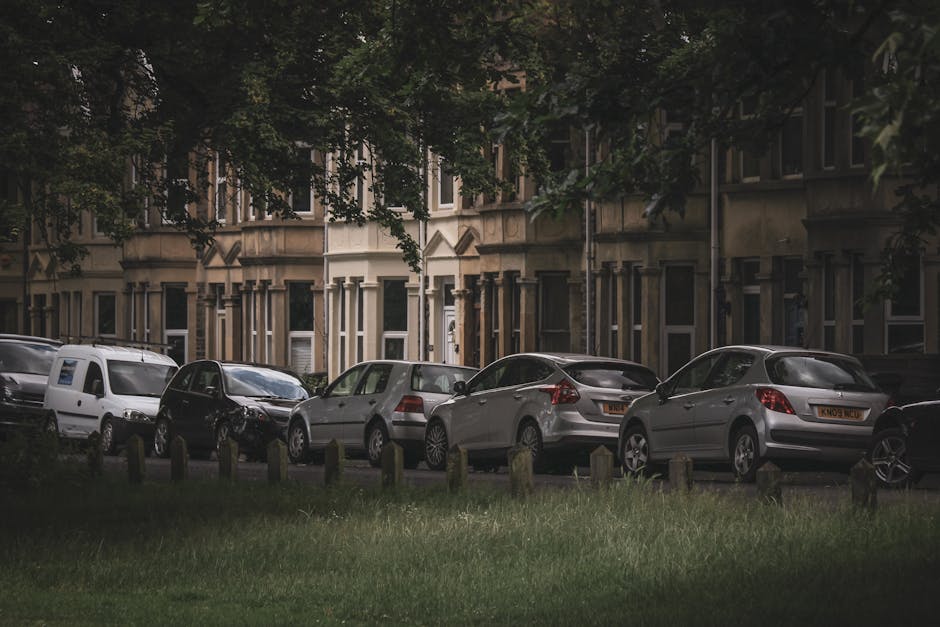
Streatham Hill estate moves: best times for parking
If you are planning a move in Streatham Hill, parking can make or break the day. One badly timed arrival, one van left circling for ten minutes, and suddenly the whole schedule starts slipping. The good news? With a bit of local planning, you can usually find a better window, reduce stress, and make the actual loading far smoother. This guide on Streatham Hill estate moves: best times for parking explains the timing patterns that matter, how to plan around them, and what to do when the street is already tight before you even start.
Truth be told, most moving problems in busy London areas are not dramatic-they are just small delays stacking up. A neighbour's car, school run traffic, a delivery lorry, a narrow bay, a little rain. Nothing catastrophic on its own. But all together? Not ideal. So let's walk through the practical stuff, in plain English, with enough detail to actually help on the day.
Quick practical note: if you are comparing options for a move or need help coordinating storage and access, you can also contact the team here or learn more about the company background before you decide how to plan your move.
Table of Contents
- Why Streatham Hill estate moves: best times for parking Matters
- How Streatham Hill estate moves: best times for parking Works
- Key Benefits and Practical Advantages
- Who This Is For and When It Makes Sense
- Step-by-Step Guidance
- Expert Tips for Better Results
- Common Mistakes to Avoid
- Tools, Resources and Recommendations
- Law, Compliance, Standards, or Best Practice
- Options, Methods, or Comparison Table
- Case Study or Real-World Example
- Practical Checklist
- Conclusion
- Frequently Asked Questions
Why Streatham Hill estate moves: best times for parking Matters
Parking is not just a convenience during a house move; it is part of the moving plan. In an estate setting, especially around Streatham Hill where streets can be narrow, shared, or busy at the edges of the day, the right parking window can save time, money, and a fair bit of frustration.
Think about what a move actually needs: a vehicle that can stop close enough to the property, enough time to carry boxes safely, and enough space so nobody is blocking everyone else. If your van is parked too far away, every item becomes a longer walk. If it is parked at the wrong time, you may be competing with residents returning home, school traffic, or delivery activity. That is the difference between a smooth move and one that feels like a mild traffic-based crisis.
Best timing matters because estates often have a rhythm. Mornings can be busy with departures, mid-morning may open up a little, lunchtime sometimes softens, and late afternoon can tighten again. The exact pattern varies from street to street, but the principle is the same: parking is easier when you work with the local flow rather than against it.
Expert summary: for most estate moves, the best parking window is usually the one that gives you the shortest carrying distance and the least competition from resident traffic. If you can avoid the busiest arrival and departure periods, you usually buy yourself a calmer, cleaner move.
There is also a trust factor here. If you are moving into or out of a managed estate, neighbours and building teams tend to notice how things are handled. Arriving with a sensible plan, keeping routes clear, and moving efficiently gives a better impression. Small thing, maybe. But small things matter on moving day.
How Streatham Hill estate moves: best times for parking Works
The basic idea is simple: you identify the most likely low-pressure parking period, then you build the move around that window. In practice, that means looking at the day in layers.
1. Morning arrival patterns
Early mornings can be useful if you need a space close to the property before residents leave, but they can also be awkward if the street is already full from overnight parking. In some parts of Streatham Hill, an early arrival gives you a better shot at getting the closest possible position. In other places, you may find the street is simply still "as parked" as it was the night before. No magic there.
2. Mid-morning breathing space
Mid-morning is often a sweet spot for moves. Some commuters have left, school-run pressure has eased, and local traffic has not yet hit the later daytime peak. If you can schedule your van arrival for this period, you may get a better balance of access and fewer stop-start interruptions.
3. Lunchtime flexibility
Lunchtime can be mixed. Some streets get quieter, while others become busier with deliveries or short-stay parking. If your move is small or your property has easy access, this can still be a decent time. For heavier moves, though, I would not rely on lunchtime being the calmest option without a fallback plan.
4. Late afternoon and evening pressure
Late afternoon often brings the most awkward parking conditions on estate roads, because residents return home and bays fill quickly. Evening loading can work for a very small move, but if you need multiple trips or a long unloading session, it can become fiddly. Let's face it, nobody wants to carry a wardrobe past a queue of drivers waiting for a space.
Good timing also depends on the type of vehicle. A smaller van may fit into a tighter gap and reduce the need for a perfect space. A larger removals vehicle, on the other hand, needs better planning, more room to manoeuvre, and a clearer loading zone. The larger the vehicle, the more valuable the right parking window becomes.
If your move involves temporary storage as well as loading and unloading, it can help to coordinate access in advance. You can review the storage services overview to see how your move and storage timing can be aligned more neatly.
Key Benefits and Practical Advantages
The obvious benefit is saving time, but that is only part of it. Better parking timing gives you several knock-on advantages that can be easy to miss until you are halfway through the move.
- Shorter carry distances: parking closer means fewer steps, fewer trips, and less fatigue.
- Lower risk of damage: less time carrying furniture through awkward gaps or around parked cars.
- Better control of the schedule: when the vehicle is settled, the move tends to feel more manageable.
- Less stress for everyone involved: a calm arrival sets the tone for the rest of the day.
- Improved neighbour relations: a clean, efficient stop is usually more considerate than a prolonged shuffle for space.
There is also a practical safety angle. Moving heavy boxes across a long distance is tiring, and tired people make clumsy decisions. A closer parking spot reduces the chance of dropped items, strained backs, and that awkward moment where someone mutters, "I thought the sofa was lighter than this." We have all been there in spirit, if not in actual furniture form.
For larger or more complicated moves, good parking timing can also reduce the need for extra labour. When the van is parked well, one person can manage the flow more easily and the whole team works more efficiently. That can make a noticeable difference, especially in buildings with stairs, tight entrances, or shared access points.
Who This Is For and When It Makes Sense
This kind of planning helps almost anyone moving in or around Streatham Hill, but it is especially useful in the following situations:
- Residents moving from estate flats: parking is often more limited and access routes may be shared.
- Families with lots of boxes: the shorter the carry, the easier the day.
- People using a larger van: bigger vehicles need more room and more precise timing.
- Anyone moving on a weekend: weekends can be busy for local parking too, especially if the weather is decent.
- Moves that involve storage: if some items go into storage first, timing access around parking becomes even more important.
It also makes sense if you are moving during a period when the estate is likely to be busy for unrelated reasons-refuse collections, communal maintenance work, or building deliveries, for example. These things are not always predictable, which is exactly why having a cushion in your plan helps.
If you are still comparing services, it may be worth checking the provider's practical approach and standards on the about us page. A good move is rarely just about the van; it is about how well the whole day is managed.
Step-by-Step Guidance
Here is a straightforward way to plan the best parking window for a Streatham Hill estate move.
Step 1: Identify the busiest times on your street or estate
Start by thinking about the natural rhythm of the area. When do neighbours leave? When do they return? Are there school-run patterns nearby? Are deliveries common in the morning? You do not need a formal traffic study. Just a realistic look at how the street behaves most days.
Step 2: Match the van arrival to a quieter period
Try to aim for a window that gives you room to park before the heaviest local demand kicks in. Mid-morning is often a useful starting point, but the exact best time depends on the estate and your own move size.
Step 3: Decide what parking outcome you actually need
Do you need the van directly outside the entrance, or is a short walk acceptable? Do you need double-door access, a lift, or just a straight path to the flat? Being clear about the minimum acceptable position stops you overreacting on the day when the perfect space is not available. Perfection is lovely. Not always realistic.
Step 4: Build in a buffer
Always allow some slack. If the ideal time is 10:30, think in terms of being ready by 10:00 or earlier. That way, if you need to wait, reroute, or briefly unload from a less ideal position, you are not immediately behind schedule.
Step 5: Use a spotter if needed
If the vehicle is large or the access is tight, one person on the ground can make a big difference. A spotter helps guide the driver into position, keeps an eye on pedestrians, and avoids those tiny misjudgements that turn a straightforward parking manoeuvre into a five-minute shuffle.
Step 6: Keep the unloading path clear
Before you start carrying boxes, check that the route from the van to the door is as open as possible. Move bins, avoid clutter, and make sure doors can stay open safely if needed. The faster the route, the smoother the whole operation.
Step 7: Have a fallback plan
Because sometimes, despite best efforts, the closest space is gone. Have a second option in mind: a different bay, a short-term loading area, or a parking position that still allows reasonable access. The point is not to eliminate surprises entirely. The point is to make the surprise manageable.
Expert Tips for Better Results
These are the small, practical habits that often separate an okay move from a surprisingly smooth one.
- Arrive before the rush, not just during it: if the window closes at 11:00, try to be in position beforehand.
- Check sightlines and turning space: a spot that looks close may still be awkward if the vehicle cannot line up cleanly.
- Keep essentials separate: kettle, documents, chargers, keys, and tools should not be buried under everything else.
- Use short loading bursts: load the heaviest or bulkiest items first while energy is still high.
- Respect the estate layout: keep entrances, communal walkways, and shared spaces clear.
One tiny but useful tip: if you know the estate gets busy at certain times, avoid arriving right on the edge of that peak. Even a fifteen-minute shift can change the whole feel of the job. It sounds almost too simple, but it works.
Another practical point is weather. Wet pavements, dark winter evenings, or a gusty afternoon can all slow things down. A parking slot that looks fine in dry daylight may be much less pleasant when boxes are getting damp and shoes are skidding a bit. Small detail, big difference.
If you want the move coordinated more carefully, especially where storage is involved, it helps to speak directly with the team using the contact page so timing and access can be lined up properly from the start.
Common Mistakes to Avoid
A lot of parking trouble comes from a few repeat mistakes. Fortunately, they are avoidable.
Assuming any time will do
Estate parking is often more sensitive than people expect. If you assume the street will be fine whenever you arrive, you may end up with a poor stopping point or a long wait.
Underestimating loading time
It is easy to think the move will take "just a couple of hours." Then the wardrobe needs disassembly, the lift is slow, and the boxes are heavier than remembered. Parking that looked fine for a quick job may become awkward when the move stretches out.
Ignoring resident traffic patterns
People coming home from work or heading out in the morning are not obstacles in a moral sense-they are just part of the environment. If you plan around them, the day gets easier. If you ignore them, the van ends up competing for space.
Not checking building access rules
Some estates have expectations around where vehicles can wait, how long they can remain, or which entrances should be used. These may not be dramatic formalities, but they matter. Failing to check them can cause delays or awkward conversations.
Forgetting a backup route
If the nearest bay is full, what happens next? A bit of planning avoids the panicked lap of the block where everyone is guessing and nobody is smiling. Not a great look.
Tools, Resources and Recommendations
You do not need a giant toolkit for this kind of planning, but a few simple things help more than people expect.
- A written move plan: include arrival time, access notes, and a fallback parking option.
- Phone contact list: keep driver, mover, building contact, and a trusted helper easy to reach.
- Boxes labelled by room: this saves time once unloading begins.
- Protective gear: gloves, straps, and good footwear are worth having.
- Lightweight trolley or dolly: especially helpful if the van cannot park directly outside.
For people moving belongings into storage as part of the same day, it can be smart to review the company's terms and conditions so you understand access expectations and responsibilities before the moving date arrives. That sort of reading is not thrilling, I know, but it does prevent surprises.
And if you want to understand how the business handles data and communication before you send any details, the privacy policy is the place to check. Good planning is not only about parking; it is also about making sure everything around the move is handled neatly.
Law, Compliance, Standards, or Best Practice
Parking and moving in London can touch on local rules, estate-specific restrictions, and general road safety expectations. Because those details vary, the safest approach is to treat any parking plan as something to verify rather than assume.
In practical terms, that means checking for any estate instructions, signs, or restrictions that apply to your exact address. Some places may have loading guidance, designated bays, time limits, or requirements for permits or permissions. Others may just expect common-sense behaviour: do not block entrances, keep fire routes clear, and minimise disruption.
It is also good practice to think about pedestrian safety. Use hazard lights only where appropriate, keep people visible, and avoid leaving items in places where residents need to squeeze past. If you are unsure about a particular parking decision, ask before the move rather than trying to fix it later when the van is already loaded and the clock is ticking.
Best practice is simple: be considerate, be prepared, and do not assume that one estate works like another. Around Streatham Hill, that attitude usually pays off. A sensible move day is a quieter one, and quietly efficient is underrated.
Options, Methods, or Comparison Table
Different parking approaches work better for different kinds of moves. Here is a simple comparison to help you judge what fits your situation.
| Approach | Best for | Pros | Trade-offs |
|---|---|---|---|
| Early arrival parking | Smaller estates, lighter traffic, first-come spaces | Can secure the closest spot before the day gets busy | May still be limited by overnight parking and resident vehicles |
| Mid-morning arrival | Typical house moves and flat moves | Often balances access and lower traffic pressure | Not ideal if the estate has morning deliveries or resident movement |
| Lunchtime loading | Short moves or flexible schedules | Can work well in quieter streets | Less predictable; delivery traffic may interfere |
| Late afternoon move | Small moves with minimal carry time | May fit around work schedules | Parking can be tight and resident demand often rises |
The main takeaway is not that one option is always best. It is that your ideal parking time should match both the local rhythm and the size of the move. A tiny move into a ground-floor flat is a different beast from a full household relocation with furniture and storage stops in the middle.
Case Study or Real-World Example
Here is a realistic example based on the kind of situation people often face in Streatham Hill.
A couple moving out of a second-floor flat on an estate thought they could arrive at 8:00 a.m. and "just find somewhere." In reality, the street was already busy with resident cars and a delivery van near the entrance. They spent the first fifteen minutes shuffling for space, and by the time the van was finally parked, everyone was already a bit tense. Nothing went badly wrong, but the whole day felt harder than it needed to be.
On a second attempt a few months later, they planned differently. They aimed for a mid-morning arrival, checked the route from van to doorway, and kept a helper on parking duty while the first boxes were unloaded. The result was boring in the best possible way: fewer delays, fewer apologies, and less back-and-forth. No drama. Honestly, that is what most people want from a move.
The lesson is simple. Better timing does not just improve parking. It improves the atmosphere of the move itself. People stay calmer when the vehicle is in the right place, and the day starts to feel less like a scramble.
Practical Checklist
Use this checklist before move day so your parking plan is properly set.
- Confirm your move date and likely arrival window.
- Check how the street or estate behaves at different times of day.
- Decide the minimum acceptable parking distance from the property.
- Prepare a fallback parking option in case the first space is taken.
- Tell helpers who is spotting the van, if anyone.
- Keep access routes clear inside and outside the property.
- Separate essential items from the rest of the boxes.
- Review any estate instructions or local parking notices.
- Allow extra time for loading, weather, and surprises.
- Make sure contact details for the mover or storage team are easy to reach.
Best practical rule: if you are unsure, choose the quieter window and build in buffer time. That simple habit solves more problems than people think.
Conclusion
The best times for parking during a Streatham Hill estate move are usually the times that reduce competition, shorten carry distances, and give you a little breathing room. Mid-morning is often the most balanced starting point, but the real answer depends on your exact street, the size of your move, and how the estate behaves through the day.
What matters most is not chasing a perfect parking fantasy. It is choosing a workable window, preparing a fallback, and keeping the move calm enough that the day does not unravel over one missing space. That is the sort of planning that saves energy, time, and a few grey hairs. Moving is stressful enough already, so a little foresight goes a long way.
Get a free quote today and see how much you can save.
If you are still mapping out the move, take a moment to explore the main site, review the practical details, and get your questions answered early. A smooth move usually starts before the van turns up. Sometimes, just sometimes, that is the whole trick.
Frequently Asked Questions
What is the best time of day for parking during a Streatham Hill estate move?
Mid-morning is often a strong starting point because it can sit between the morning rush and the later daytime traffic. That said, the best time depends on the estate, resident patterns, and whether you need a small van or a larger removals vehicle.
Should I aim to park directly outside the building?
Ideally, yes, but it is not always realistic. If direct parking is not possible, the next best option is usually the closest safe space that keeps the carry distance short and the route clear. A slightly longer walk is better than forcing a poor stop.
How early should I arrive before moving furniture?
It is wise to arrive earlier than the planned loading time so you have room for parking adjustments. A buffer of at least a little time helps if the first space is taken or access is tighter than expected.
Are weekends better for estate parking?
Not automatically. Weekends can feel quieter in some places, but they can also bring more local parking demand, visitors, and casual traffic. The right answer depends on the street and the time of day, not just the day itself.
What if I cannot find a space close to the property?
Use your backup plan. Park where you can do so safely and legally, then adjust the loading process. A trolley, extra helper, or smaller carrying batches can help if the van has to stop a little further away.
Do I need to check estate rules before moving day?
Yes, that is sensible. Estates can have their own access expectations, loading preferences, or restrictions on where vehicles should wait. Checking in advance prevents confusion and avoids delays on the day.
How does storage affect parking planning?
If some items are going to storage, you may have two loading stages or a split schedule. That makes timing more important because you need access for longer and may need to coordinate with different drop-off or pick-up points.
What parking mistakes cause the most problems?
The biggest issues are arriving at the wrong time, underestimating how long loading will take, and forgetting to plan a backup. Those three tend to create most of the stress, more than anything else.
Is it worth using a spotter for the van?
Yes, especially on tight streets or estates with limited manoeuvring space. A spotter can guide the driver, watch for pedestrians, and help avoid small errors that waste time.
How do I make the move less stressful overall?
Plan the parking window carefully, keep your route clear, and separate the essential items so you are not hunting for keys or chargers mid-move. Small preparation steps reduce a surprising amount of stress. It really does.
What should I do if the weather turns bad on move day?
Prioritise safety and keep items protected from rain or wind. Wet ground can make carrying awkward, so allow extra time and make sure the route between van and property is as clear as possible.
Who should I contact if I need help planning the move?
If you want to discuss the practical side of the move, including timing and access, use the contact page. If you are still comparing options, the homepage is a good place to start, and the privacy policy and terms and conditions are useful for understanding how details are handled.